
+918042756337

GLOBALDENTALHOUSE https://www.globaldentalhouse.co.in
Preview

This is your website preview.

Currently it only shows your basic business info. Start adding relevant business details such as description, images and products or services to gain your customers attention by using Boost 360 android app / iOS App / web portal.

918879529471

Treatments

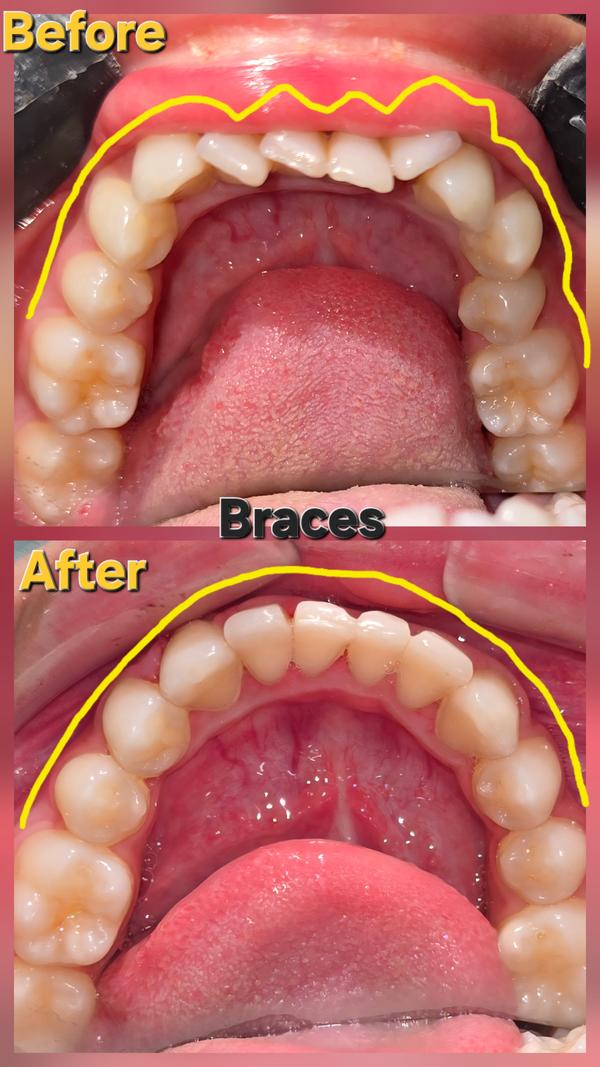
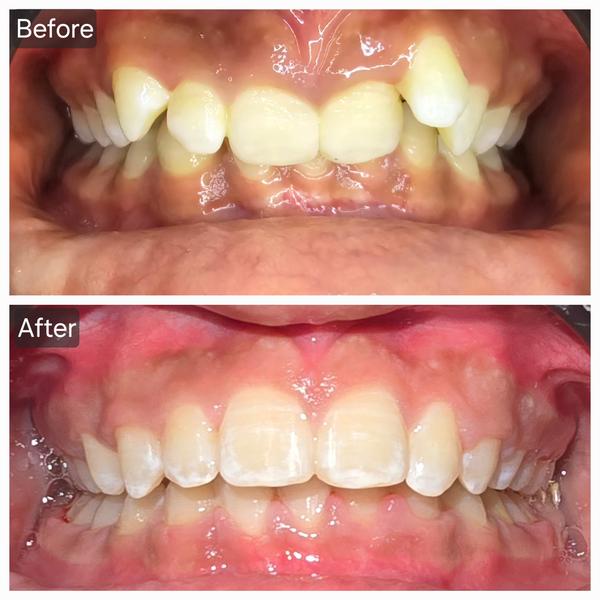
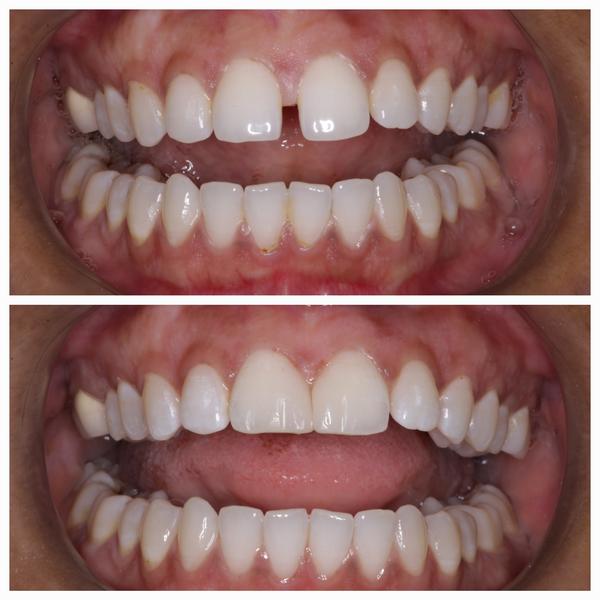
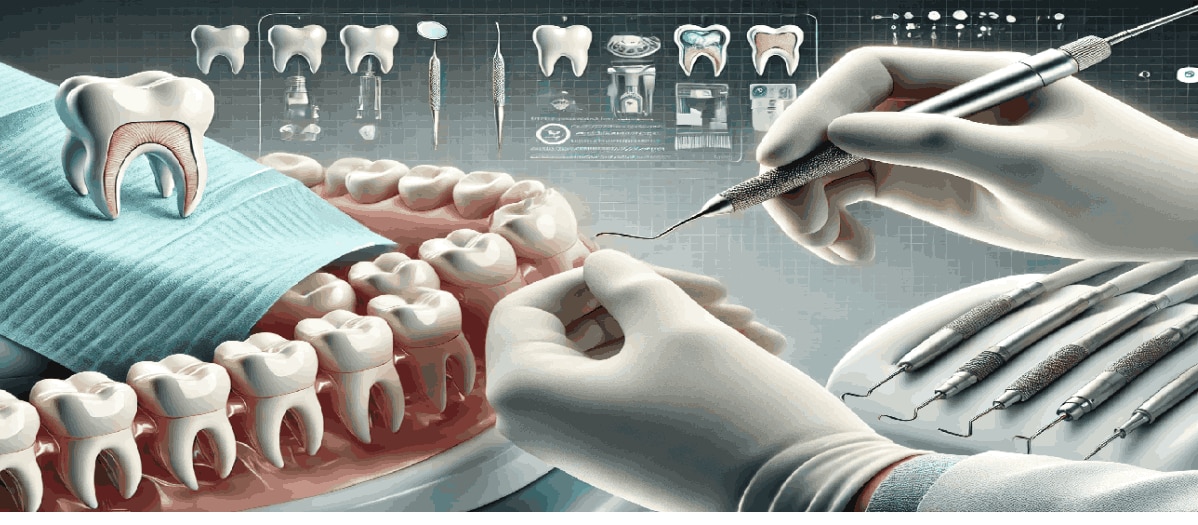
Digital Smile Designing (DSD) is a modern and innovative technique in cosmetic dentistry that uses advanced digital tools to design and plan the ideal smile for a patient. It allows the dentist to create a customized treatment plan for enhancing the appearance of a patient's smile by considering their facial features, teeth, gums, and overall oral health. The goal is to create a smile that is not only aesthetically pleasing but also in harmony with the patient’s unique facial characteristics.Key Aspects of Digital Smile Designing:Digital Imaging:The process starts with taking high-resolution digital images of the patient’s face and teeth. These images are then uploaded into specialized smile design software that allows the dentist to view the patient's smile from different angles.3D imaging or videos can also be used to see how the smile interacts with facial expressions and other features.Facial Aesthetics Consideration:The dentist takes into account various aspects of the patient’s face, including the shape of their lips, the width of their face, and the position of their eyes, nose, and chin. This ensures that the final smile design complements their natural facial features.Features such as skin tone, age, gender, and personality are also considered in the design process.Customization of Teeth Shape, Size, and Alignment:The dentist uses the digital tools to adjust the shape, size, and alignment of the teeth. They may make recommendations for veneers, crowns, bridges, or orthodontic treatment to create the perfect smile.Tooth proportions (like the ideal width-to-length ratio of the front teeth) are also taken into account to ensure natural-looking aesthetics.Mock-Up and Preview:Once the smile design is created digitally, a virtual preview of how the smile will look is shown to the patient. The dentist can make adjustments as needed to match the patient’s vision and desires.Some dentists may also create a mock-up of the proposed smile using temporary materials, allowing the patient to see and even try out the design in their mouth before proceeding with any permanent treatments.Treatment Planning:Based on the final smile design, a comprehensive treatment plan is created, which may include a combination of cosmetic procedures such as:Veneers: Thin shells of porcelain or composite resin applied to the front of the teeth to improve their appearance.Crowns: Restorations that cover damaged or decayed teeth.Braces or Clear Aligners: For teeth alignment.Whitening: To brighten discolored teeth.Gum Contouring: Reshaping the gum line for a more balanced appearance.Precision and Predictability:Because the process is digital, it allows for greater accuracy and predictability in the final results. The dentist can visualize exactly how the changes will affect the appearance of the smile, which reduces the chances of any surprises after treatment.Benefits of Digital Smile Designing:Personalization: The smile design is uniquely tailored to the patient's facial features, creating a more natural and flattering result.Enhanced Communication: The digital images and 3D renderings help the dentist communicate the treatment plan clearly to the patient, making it easier to discuss and make decisions.Predictable Results: The virtual preview ensures that both the patient and the dentist are on the same page before starting treatment, leading to more predictable outcomes.Reduced Treatment Time: The digital planning can streamline the process and reduce the number of appointments, especially when it comes to creating veneers or crowns that fit perfectly.Minimally Invasive: Digital Smile Design can often reduce the need for extensive dental work by focusing on less invasive options (like veneers) instead of more aggressive treatments.The Digital Smile Designing Process:Initial Consultation: During the first visit, the dentist will evaluate the patient's smile goals and concerns. They will take digital photographs and possibly 3D scans of the teeth and face.Smile Design Creation: Using specialized software, the dentist will design the ideal smile, adjusting elements like tooth size, shape, and alignment while considering the patient’s facial features.Virtual Preview: The patient will be shown a digital mock-up of the designed smile to ensure it meets their expectations.Mock-Up: In some cases, a physical mock-up (or "trial smile") is created so that the patient can see how the new smile will look and feel in their mouth before any permanent procedures are done.Treatment Implementation: Once the final design is approved, the necessary treatments (like veneers, crowns, whitening, or alignment) will be performed to achieve the desired smile.Final Check: After the procedures are completed, the dentist will check the aesthetics and function of the smile to ensure the results match the digital design.Who is a Good Candidate for Digital Smile Designing?People Looking for Smile Enhancement: Those who want to improve the appearance of their smile, whether due to misalignment, stains, chips, or gaps.Patients Seeking a Comprehensive Smile Makeover: People with more complex dental needs who require a combination of procedures (e.g., veneers, crowns, whitening) to achieve the perfect smile.Individuals Who Want to Visualize Their Results: Those who prefer a preview of the final outcome before committing to permanent procedures, ensuring they are happy with the changes.Applications of Digital Smile Designing:Cosmetic Dentistry: It's commonly used for procedures like veneers, crowns, and teeth whitening to achieve a more aesthetically pleasing smile.Orthodontics: DSD can help with designing and visualizing the final results of braces or clear aligners.Gum Contouring: It can also be used to reshape the gum line for a more balanced and symmetrical smile.Full Mouth Rehabilitation: DSD is useful in comprehensive cases that require both restorative and cosmetic treatments to restore the teeth, gums, and smile.Conclusion:Digital Smile Designing has revolutionized the way cosmetic dentistry is approached by providing a highly personalized and efficient way to design beautiful, natural smiles. It enhances the precision, predictability, and communication between the dentist and patient, ensuring that the final result meets expectations. Whether for a simple smile enhancement or a full smile makeover, DSD is an excellent option for anyone looking to improve the aesthetics and function of their smile.Would you like to know more about how Digital Smile Design can help with specific dental concerns or see examples of treatment outcomes?

Shop no.7, bhalerao bhuvan, veer Tanaji malusare marg , near cotton green station, Mumbai, Maharashtra,India

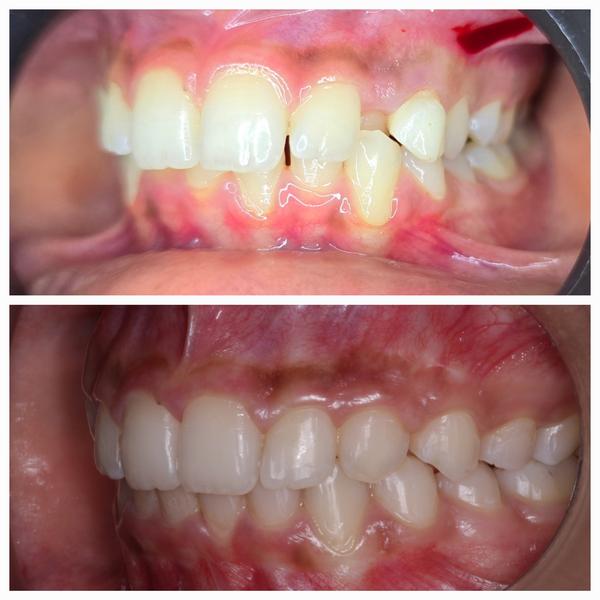
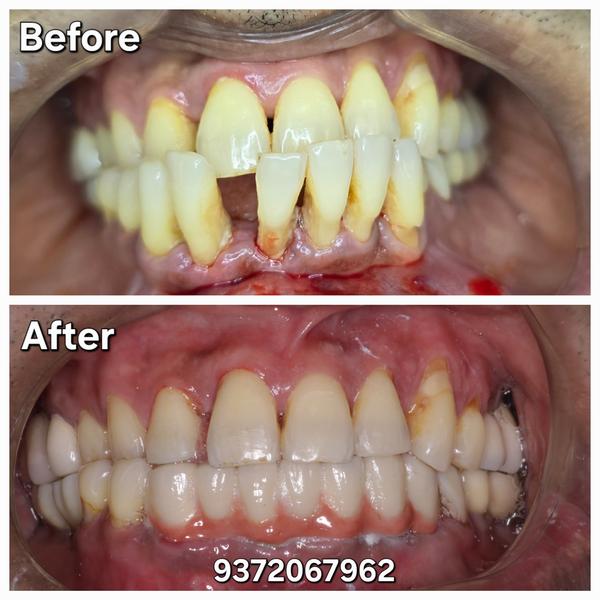
Full Mouth Rehabilitation (also known as Full Mouth Reconstruction) is a comprehensive dental treatment plan designed to restore or replace all or most of the teeth in a patient's mouth. It involves addressing issues with both the function and aesthetics of the teeth, gums, and jaw. Full mouth rehabilitation typically combines a variety of dental procedures to repair or improve the health, function, and appearance of the entire mouth.Why is Full Mouth Rehabilitation Needed?It is typically recommended for individuals who have multiple dental issues, such as:Severe tooth decay or cavities affecting most or all of the teeth.Gum disease (periodontitis) that has caused significant damage to the teeth and gums.Tooth loss (due to injury, decay, or wear).Malocclusion (misaligned bite).Wear and tear from grinding teeth (bruxism).Cosmetic concerns, such as damaged or discolored teeth.Key Components of Full Mouth Rehabilitation:The treatment plan for full mouth rehabilitation is customized for each patient, depending on their specific needs and concerns. Some common procedures included in full mouth rehabilitation are:1. Restorative ProceduresDental Crowns: Used to cover and restore damaged or decayed teeth, dental crowns help protect the remaining tooth structure and provide strength and stability.Bridges: A bridge is used to replace one or more missing teeth by attaching artificial teeth to neighboring natural teeth.Dentures: For those who have lost multiple teeth, dentures (either full or partial) can be used to replace lost teeth and restore function.Dental Implants: Titanium posts surgically placed into the jawbone to replace missing teeth. Implants provide a permanent and stable solution for tooth replacement, especially when a full set of teeth needs replacing.Inlays and Onlays: These are custom-made fillings used to restore teeth that have large cavities or damage but do not require full coverage like a crown.2. Cosmetic ProceduresVeneers: Thin shells of porcelain or composite resin that are bonded to the front of the teeth to improve appearance by covering stains, chips, or other imperfections.Teeth Whitening: Aesthetic treatments for brightening teeth that have become discolored or stained.Gum Contouring: This procedure reshapes the gum line to improve the aesthetics of a "gummy smile" or to create symmetry in the smile.3. Orthodontic TreatmentBraces or Clear Aligners: If the bite is misaligned, orthodontic treatments such as traditional braces or clear aligners (like Invisalign) may be used to straighten teeth and correct bite issues.4. Periodontal TreatmentsScaling and Root Planing: For patients with gum disease, these non-surgical procedures clean below the gum line and remove plaque and tartar to promote gum health.Gum Grafts: If the gums have receded, gum grafts may be used to restore lost gum tissue and improve the health and aesthetics of the gums.5. TMJ (Temporomandibular Joint) TherapyIf a patient has issues with their jaw joint (TMJ disorders), therapy may be part of the full mouth rehabilitation. This could include using a night guard to prevent teeth grinding, physical therapy, or, in severe cases, surgery.The Process of Full Mouth Rehabilitation:The process of full mouth rehabilitation usually involves several steps over a period of time, and it’s typically done in stages to ensure the health and stability of the teeth and gums throughout the treatment.Initial Consultation and Examination:The dentist will perform a comprehensive oral exam, including X-rays, photographs, and possibly a CT scan. The goal is to evaluate the current condition of your teeth, gums, bite, and jaw joints. They will also discuss your goals and expectations.Treatment Plan Development:Based on the evaluation, the dentist will design a personalized treatment plan, which may include a combination of the restorative, cosmetic, and orthodontic procedures mentioned above.Restoring Function:The first stage typically focuses on restoring function (e.g., replacing missing teeth, correcting bite issues, treating gum disease, etc.).Aesthetic Improvements:Once the function is restored, the focus will shift to enhancing the appearance of the smile, including cosmetic treatments like veneers, crowns, and teeth whitening.Final Adjustments and Follow-up:After all procedures have been completed, the dentist will make final adjustments to ensure the bite is comfortable, and the results meet the patient’s expectations.Ongoing Maintenance:Full mouth rehabilitation requires long-term care, including regular dental visits, at-home oral hygiene, and possibly follow-up treatments to maintain results.Timeline and Cost:Timeline: The process can take anywhere from a few months to over a year, depending on the complexity of the case and the number of procedures involved.Cost: Full mouth rehabilitation is often expensive, as it involves multiple procedures and specialist care. The total cost can vary widely depending on the extent of the work, materials used, and the geographic location. Many dental offices offer financing options to make the cost more manageable.Benefits of Full Mouth Rehabilitation:Improved Function: The rehabilitation can restore full functionality to the teeth and jaw, making it easier to chew, speak, and maintain oral health.Enhanced Appearance: Restoring damaged or missing teeth and improving the smile’s aesthetics can lead to greater self-confidence.Relief from Pain or Discomfort: Many patients experience pain or discomfort from worn-down or misaligned teeth, and rehabilitation can address these issues, providing relief.Prevention of Further Dental Issues: By addressing existing problems and restoring oral health, full mouth rehabilitation can prevent future dental issues, including tooth loss and jaw pain.Who is a Good Candidate for Full Mouth Rehabilitation?Individuals with severe tooth decay, gum disease, or extensive tooth damage.People who are missing multiple teeth and wish to restore their smile and chewing function.Those who have a misaligned bite or issues with jaw pain and want to improve their oral health and appearance.Patients with worn-down teeth due to grinding or aging.Conclusion:Full mouth rehabilitation is a comprehensive, personalized approach to restoring the function, health, and appearance of a person’s mouth. If you're dealing with multiple dental issues that affect both your oral health and aesthetic appearance, full mouth rehabilitation can be life-changing. Your dentist or periodontist will be able to guide you through the process and ensure that your treatment plan is tailored to meet your specific needs.Would you like more information on the specific procedures involved or the types of materials used in full mouth rehabilitation?

Shop no.7, bhalerao bhuvan, veer Tanaji malusare marg , near cotton green station, Mumbai, Maharashtra,India

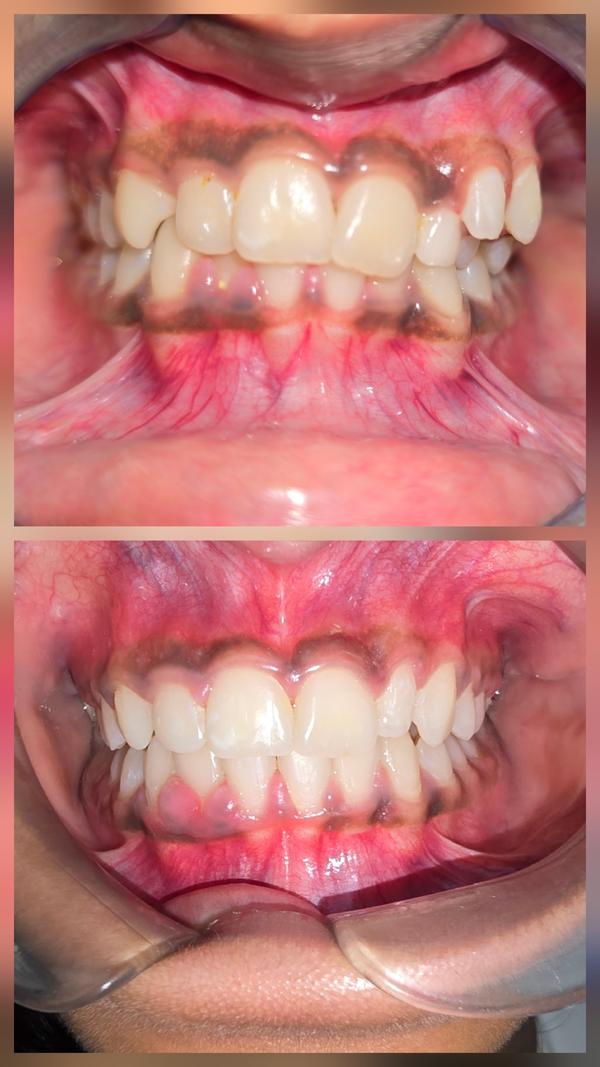
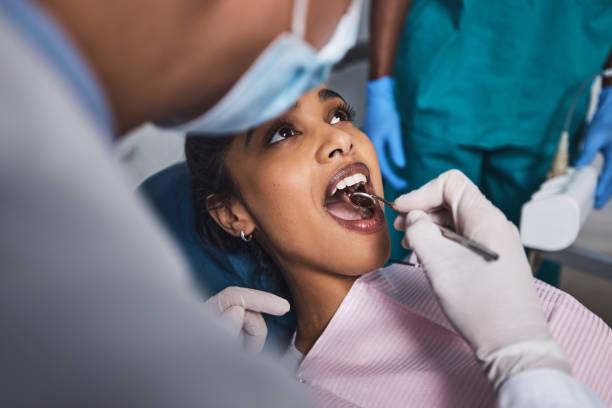
Scaling and Tooth Polishing are common dental procedures used to maintain oral health by preventing gum disease and keeping teeth clean and smooth. These procedures are typically performed during routine dental cleanings.1. ScalingPurpose: Scaling is a deep cleaning procedure designed to remove plaque, tartar (hardened plaque), and bacteria from the surfaces of your teeth and beneath the gums. This is especially important for preventing or treating gum disease (gingivitis and periodontitis).Procedure:Manual Scaling: The dentist or hygienist uses special instruments, called scalers, to carefully scrape off plaque and tartar from the tooth surfaces and the area beneath the gum line.Ultrasonic Scaling: Often, an ultrasonic scaler may also be used. It uses vibrations and a stream of water to break up plaque and tartar, making the cleaning process more efficient and less time-consuming. The water also helps rinse away debris and bacteria.Benefits:Prevents Gum Disease: By removing plaque and tartar buildup, scaling helps prevent gum inflammation (gingivitis) and more severe forms of gum disease (periodontitis).Reduces Bad Breath: Scaling removes bacteria that can cause persistent bad breath (halitosis).Prevents Tooth Loss: Regular scaling can help prevent the progression of gum disease, which, if left untreated, can lead to tooth loss.Post-Scaling Care: After scaling, you may experience mild discomfort or sensitivity in your gums, but this usually resolves within a few days. It's important to maintain good oral hygiene to prevent plaque buildup from returning.2. Tooth PolishingPurpose: Polishing is the process of smoothing the surface of the teeth after scaling. It helps remove any remaining plaque, stains, and gives your teeth a clean, shiny appearance. Polishing also makes it more difficult for plaque to accumulate in the future.Procedure:After scaling, the dental hygienist uses a small rotating rubber cup or brush with a special polishing paste to gently polish the teeth.The paste is mildly abrasive, allowing it to remove any residual plaque, stains, or rough spots on the enamel without damaging it.Benefits:Smooth Surface: Polishing leaves your teeth smooth and shiny, which not only enhances the appearance of your smile but also makes it harder for plaque and bacteria to stick to the surface of your teeth.Stain Removal: Polishing helps remove surface stains from coffee, tea, tobacco, and other staining foods or drinks.Improved Aesthetics: The smooth, shiny finish can make your teeth look whiter and brighter, giving your smile a polished appearance.Post-Polishing Care: After polishing, you should avoid eating or drinking things that could stain your teeth (such as coffee or red wine) for a few hours. While tooth polishing is generally safe and doesn't require any special aftercare, maintaining good oral hygiene at home is essential to keeping your teeth clean and free of plaque.Why Scaling and Polishing are ImportantPreventive Care: Both scaling and polishing are key to preventing serious dental problems like gum disease, cavities, and tooth loss.Gum Health: Scaling removes plaque and tartar that can cause inflammation and infection in the gums, while polishing helps keep the teeth and gums healthier by making the surfaces smoother.Cosmetic Benefits: Polishing can improve the appearance of your smile by removing surface stains and providing a cleaner, shinier finish.How Often Should You Get Scaling and Polishing?For most people, it's recommended to have a dental cleaning, including scaling and polishing, every 6 months. However, if you have gum disease or other oral health issues, your dentist may recommend more frequent cleanings (every 3-4 months).Aftercare Tips:Brush Twice a Day: Use fluoride toothpaste and a soft-bristled toothbrush to clean your teeth after every meal.Floss Daily: Flossing helps remove plaque and food particles from between the teeth, where a toothbrush might miss.Use Mouthwash: A mouthwash that contains antibacterial properties can help reduce plaque buildup and keep your mouth feeling fresh.Avoid Tobacco: Smoking or chewing tobacco can increase the risk of gum disease and stain your teeth.Would you like to know more about how scaling and polishing differ from other cleaning procedures, or maybe tips on maintaining healthy teeth between cleanings?

Shop no.7, bhalerao bhuvan, veer Tanaji malusare marg , near cotton green station, Mumbai, Maharashtra,India

Meet Our Doctor

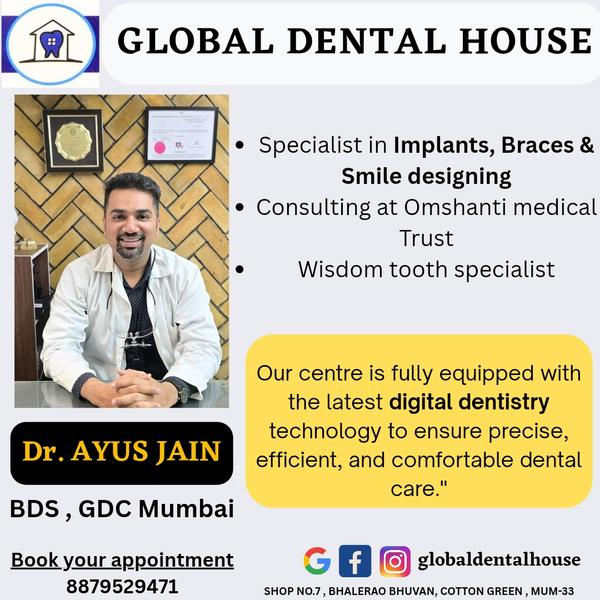
Dr Ayus Jain

Dr Ayus Jain

Dentist/Dental Surgeon

Phone +91-9372067962

Dr. Ayus Jain has graduated from the prestigious institute of Government Dental College , Mumbai. He has worked as a Resident Doctor in Sasson General Government Hospital, Pune for a year. He has completed his Basic And Advance Dental Implantology under the guidance of Various top Implantologist who are trained internationally. He has completed the course of Digital smile designing and aesthetic dentistry With around 3 years of experience in this field. He has managed to do various Dental procedures like Full Mouth Rehabilitation’s using Face-bow, Dental Implant surgeries, Aesthetic smile designing , periodontal surgeries etc...

Shop no.7, bhalerao bhuvan, veer Tanaji malusare marg , near cotton green station, Mumbai, Maharashtra,India

Testimonials

Dr. Ayus is incredibly skilled and experienced—my visit was smooth and pain-free. Highly recommend for anyone looking for top-notch dental care!

Best Dentist

I had an exceptional experience at Global Dental House.The entire staff was warm, welcoming, and professional. Dr. Ayus Jain is highly skilled, gentle, and took the time to explain everything thoroughly.The office is modern, clean, and well-organized. I appreciated the attention to detail and the care taken to ensure my comfort throughout the procedure.I highly recommend Dr.Ayus Jain to anyone seeking top-notch dental care. Thank you for a wonderful experience!

Highly Skilled

Latest Update

Dental Implants (Fixed Teeth)

It's Done!!

Your appointment is confirmed

Doctor Name:

Date & Time:

Contact:

Address: Shop no.7, bhalerao bhuvan, veer Tanaji malusare marg , near cotton green station, Mumbai, Maharashtra,India

Appointment details has also been shared with you on your mobile number . Please arrive atleast ten minnutes ahead of the scheduled time.

treatments